
Prepare Your Community Before the First Spring Storm Hits
Prepare Your Community Before the First Spring Storm Hits
-l.jpg)
Winter may be winding down, but the damage it caused is still hiding in plain sight. Ice buildup, repeated freeze-thaw cycles, and heavy snow loads take a toll on roofs, gutters, drainage systems, and common area structures. When the first spring storm rolls through, those hidden weaknesses get exposed fast.
Boards that wait until damage appears are left scrambling for emergency vendors, absorbing unexpected repair costs, and fielding resident complaints. Boards that inspect and act early protect their communities and their budgets before severe weather forces the issue.
This guide walks through the inspections, preparations, and communication steps your board should complete before spring storm season begins.
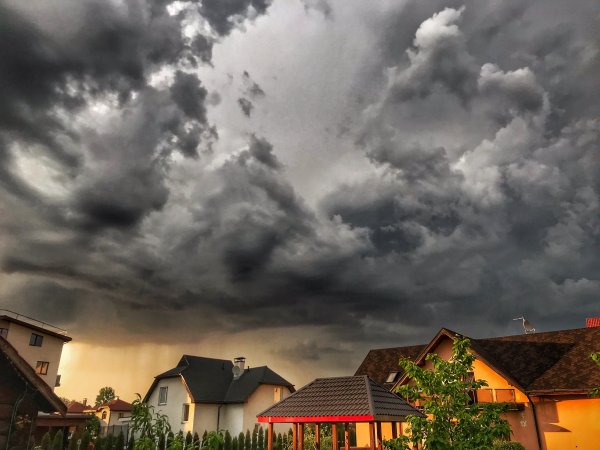
Assess Winter's Impact Before Spring Storms Arrive
Spring storms don’t create most of the problems they reveal. Winter does the initial damage; spring rain and wind finish the job. A structured assessment now helps your board catch vulnerabilities while repairs are still manageable.
Hidden Damage Often Surfaces During the First Storm
Ice dams, snow weight, and temperature swings stress roofing materials, loosen gutter connections, and shift drainage components out of alignment. These issues may not be visible from the ground, but one heavy downpour can turn a small crack into a serious leak.
Inspecting shared structures before the season changes gives your board time to address problems on your terms rather than during an emergency.
Early Detection Saves Money on Emergency Repairs
Emergency vendor calls carry premium pricing, and rushed repairs rarely match the quality of planned work. Water damage that reaches interior spaces adds mold remediation, drywall replacement, and potential liability concerns to the bill.
Catching a damaged seal or a clogged drainage inlet now costs a fraction of what the same issue costs after a storm.
Visible Action Builds Resident Confidence
Residents notice when their board takes seasonal risks seriously. Scheduling inspections, sharing preparation updates, and communicating timelines show that leadership is engaged and planning ahead. That visibility builds trust and reduces the volume of reactive questions when weather events occur.
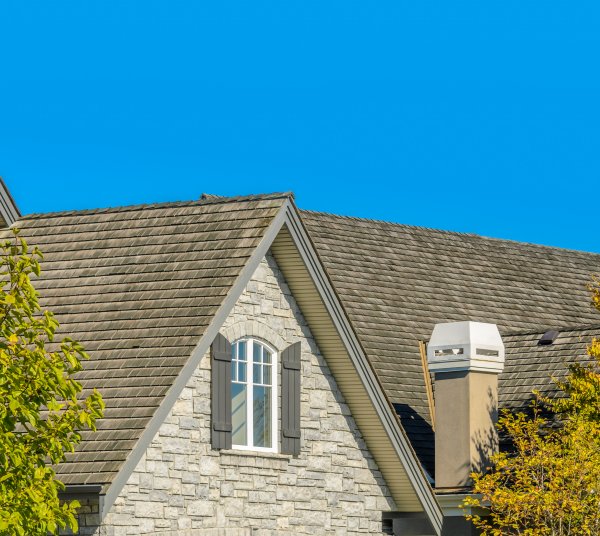
Roof and Exterior Inspection Checklist
Roofs, siding, and exterior components absorb the worst of winter conditions. A focused inspection of these areas helps your board identify repairs that need to happen before spring storms add pressure to already compromised materials.
1. Check for Missing, Cracked, or Lifted Shingles
Winter ice and wind loosen shingles over time, creating gaps that allow water to reach the underlayment. Schedule professional inspections for clubhouses, maintenance buildings, and any association-owned structures. Document findings with photos so your board can prioritize repairs by severity.
2. Examine Flashing and Seals Around Vents and Edges
Flashing around roof vents, chimneys, and edges deteriorate faster than surrounding materials. Small gaps in these seals allow water intrusion during heavy rains, which leads to interior damage and mold risk. A qualified roofer can identify compromised flashing that may not be obvious during a visual walkthrough.
3. Review Siding, Fascia, and Soffit Conditions
Damaged siding and fascia allow moisture and pests into building envelopes. Warped boards, peeling paint, and visible gaps signal areas where water could reach structural components. Document these issues and prioritize repairs before sustained spring rains begin.
Drainage System Checklist
Drainage infrastructure has to function properly when heavy rain arrives. Blockages, failed pumps, and overwhelmed retention areas cause flooding, erosion, and foundation damage that disrupts residents and drains reserve funds.
1. Clean Gutters, Downspouts, and Drainage Inlets
Leaves, debris, and winter buildup clog gutters and downspouts, forcing water to overflow onto walkways, foundations, and landscaping. Clearing these paths now prevents pooling and redirects water away from buildings where it belongs.
2. Inspect Retention Ponds and Stormwater Systems
Retention areas need clear outlets and adequate capacity to manage spring runoff. Blocked outlets lead to standing water, accelerated erosion, and mosquito breeding. Confirm that these systems are clear and functioning before storm season adds volume.
3. Check Sump Pumps and Basement Drainage in Common Buildings
A sump pump that fails during a storm causes significant water damage in a short period. Test pumps in all common buildings, verify backup power sources, and confirm that discharge lines are clear and directed away from foundations.
What to Secure in Common Areas
High winds turn everyday outdoor items into hazards. Loose furniture, weakened structures, and overhanging branches create property damage and liability exposure when storms hit.
1. Anchor or Store Loose Furniture and Decorations
Benches, planters, umbrellas, and signage need to be anchored or stored before severe weather arrives. Unsecured items become projectiles in high winds, damaging vehicles, windows, and neighboring property. Establish a protocol for securing common area items when storm warnings are issued.
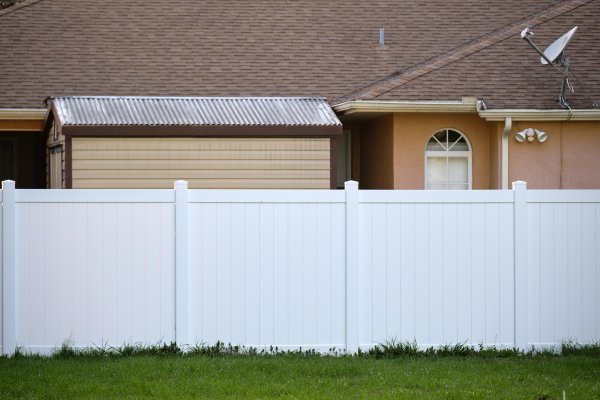
2. Inspect Fencing, Pergolas, and Shade Structures
Winter weakens posts, joints, and anchors through moisture absorption and ground movement. Inspect all fencing and overhead structures for loose connections, leaning posts, and compromised hardware. Reinforce or repair these features before wind season tests their stability.
3. Trim Trees and Remove Dead Branches Near Buildings
Overhanging limbs and deadwood become dangerous during storms. Falling branches damage roofs, vehicles, and walkways while creating immediate safety risks for residents. Schedule tree maintenance as both a safety priority and a liability precaution.
Review Emergency Communication Plans
When severe weather threatens, your board needs to reach residents quickly and clearly. A communication plan that exists only on paper fails when it matters most.
Confirm Contact Lists Are Current and Accessible
Outdated contact information delays critical updates during fast-moving weather events. Verify phone numbers, email addresses, and emergency contacts for all residents. Store this information where multiple board members and your management team can access it quickly.
Establish Clear Channels for Weather Alerts
Relying on a single communication method risks leaving residents uninformed. Use a combination of email, text alerts, portal announcements, and posted notices to reach residents across different preferences and schedules. Confirm that each channel is tested and functional before storm season.
Assign Communication Roles Before an Emergency Occurs
Designate who sends alerts, coordinates with vendors, and fields resident questions before an emergency forces those decisions in real time. Clear role assignments prevent confusion, reduce response delays, and keep communication consistent during active storms.
Coordinate with Vendors for Rapid Response
Vendor relationships established before a storm determine how quickly your community recovers after one. Boards that wait until damage occurs compete with every other community trying to reach the same contractors.
Confirm Emergency Contact Information for Key Vendors
Your board needs after-hours contacts for roofers, tree services, plumbers, and water mitigation companies. Verify that these numbers are current and accessible to both board members and your management team. Pre-established relationships consistently produce faster response times.
Review Contract Terms for Emergency Work
Understand pricing structures, response time expectations, and scope limitations for emergency repairs before you need them. Clear agreements prevent billing disputes and miscommunication after storms when stress levels are high and decisions happen quickly.
Schedule Pre-Storm Inspections with Qualified Contractors
Professional assessments catch issues that visual walkthroughs miss. Roofing contractors, drainage specialists, and arborists bring expertise that helps your board prioritize repairs based on actual risk rather than guesswork. These inspections are a small investment compared to the cost of undetected failures during a storm.
Prepare Your Community for Spring Storms with Management Plus
Preparation protects residents, preserves property, and keeps your budget intact. Boards that complete inspections, secure common areas, and establish communication plans now avoid the stress and expense of emergency repairs later.
At Management Plus, we provide inspection coordination, vendor relationships, communication support, and structured planning that help your association face spring storm season with confidence.
If your board is ready to strengthen its storm preparedness plan, contact us through the online form at https://www.managementplusrealtyservice.com/contact-us/.