
Landscaping Strategies That Increase Property Values
Landscaping Strategies That Increase Property Values
(1)-l.jpg)
Landscaping is one of the most visible reflections of how a community is managed.
Prospective buyers form opinions before they step inside a home, and appraisers factor exterior conditions into their assessments. What your common areas look like directly shapes how people perceive the value of living in your community.
The landscaping decisions with the greatest impact are not always the most expensive. Strategic plant selections, targeted hardscape repairs, and consistent upkeep in high-visibility areas deliver returns that far exceed their cost.
Boards that treat landscaping as a long-term investment rather than a recurring expense position their communities to hold and grow property values over time.
This guide outlines the landscaping strategies that make a measurable difference and helps your board focus on resources where they matter most.
What Buyers and Appraisers Notice First
Not every corner of the property carries equal weight. Buyers and appraisers focus on the areas they encounter first and the conditions that signal how well the community is maintained overall. Understanding where attention falls helps your board prioritize the right improvements.
Entrances and Common Areas Set the Tone
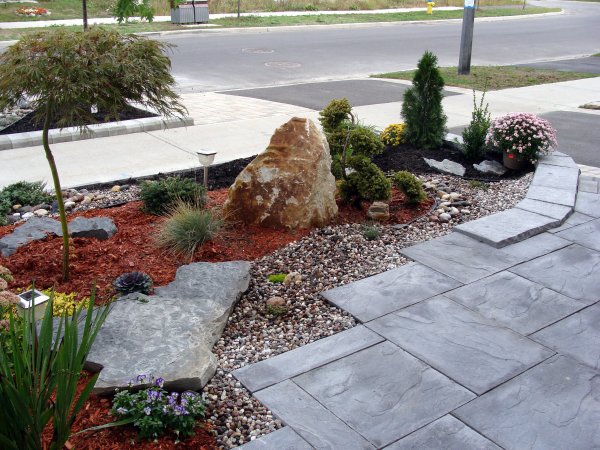
Community entrances, clubhouse grounds, and main gathering spaces create the first impression for every visitor, prospective buyer, and appraiser who drives through.
Fresh plantings, clean signage, and well-maintained walkways signal that the association takes care of its property. Neglect in these areas raises immediate questions about what else has been deferred throughout the community.
Visible Maintenance Issues Raise Red Flags
Overgrown beds, patchy turf, cracked edging, and damaged hardscapes signal deferred maintenance, which buyers and appraisers interpret as a risk. These visible shortcomings suggest that less obvious systems may also be behind on upkeep.
Addressing surface-level issues protects the perception of your community even before deeper improvements are made.
Sustainable Planting Choices
Plant selections that look good in the short term but require constant replacement, heavy watering, or frequent treatment work against your budget. Sustainable choices hold their appearance with less intervention and deliver compounding value as they mature.
1. Native Plants Reduce Water and Maintenance Costs
Native species are adapted to local soil and climate conditions, which means they need less irrigation, fewer chemical treatments, and minimal pruning compared to non-native alternatives. They establish strong root systems that improve durability across seasons and support local pollinators and ecosystems.
For boards managing large common areas, native plantings reduce vendor hours and water bills without sacrificing visual appeal.
2. Perennials Provide Year-Over-Year Value
Annual flowers add seasonal color, but they need to be replaced every year. Perennials return each season with minimal effort, reducing replanting costs and labor while maintaining consistent beds throughout the community.
A well-planned perennial layout delivers reliable color and texture that improves as plants fill in over time.
3. Strategic Tree Placement Adds Shade and Structure
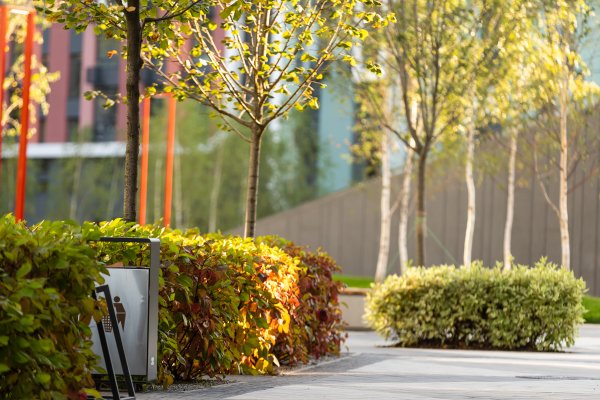
Trees are among the most valuable long-term landscaping assets a community can invest in. Well-placed trees frame entrances, define common areas, and provide shade that reduces cooling costs for nearby buildings. They also add vertical dimension and seasonal interest that other plantings cannot replicate.
Select species suited to the space and soil conditions so they mature without creating root damage or overcrowding.
Hardscaping Repairs That Matter
Hardscape elements age alongside the landscape and carry their own impact on appearance and safety. Cracked walkways, failing retaining walls, and faded edging undermine the visual gains your board achieves through planting improvements. Addressing these repairs keeps the full picture consistent.
1. Repair Cracked Walkways and Curbs
Cracked or uneven concrete creates tripping hazards and signals neglect to anyone walking through the community. These issues worsen with freeze-thaw cycles and root expansion, making early repair more cost effective than waiting for a full replacement.
Timely attention to walkways and curbs protects both safety and appearance while reducing the association's liability exposure.
2. Maintain Retaining Walls Before Failure
Retaining walls that lean, crack, or show signs of soil movement behind them are approaching failure. Once a wall shifts beyond a certain point, patching is no longer an option and full replacement becomes the only path forward.
Regular inspection and early intervention keep repair costs manageable and prevent erosion or grading problems that affect surrounding landscaping.
3. Refresh Faded or Damaged Edging
Clean borders between planting beds and turf sharpen the overall appearance of common areas. Faded, cracked, or displaced edging blurs the lines of an otherwise well-maintained landscape. Replacing or resetting edging is a low-cost improvement that creates an immediate visual lift across high-traffic spaces.
Budget Priorities That Deliver Visible Results
Every board works within budget constraints. The key is directing available resources toward the improvements that residents, visitors, and appraisers actually notice. A focused approach delivers stronger results than spreading funds evenly across every corner of the property.
Focus on High-Visibility Areas First
Entrances, clubhouse grounds, pool areas, and main thoroughfares receive the most foot and vehicle traffic. Improvements in these spaces have the greatest influence on how the community is perceived.
Prioritize planting upgrades, hardscape repairs, and seasonal color in these locations before allocating resources to less visible areas.
Schedule Seasonal Audits with Your Vendor
Regular walkthroughs with your landscaping contractor help your board catch developing issues before they become expensive problems.
Seasonal audits keep planting plans on track, identify areas that need adjustment, and ensure vendor performance meets expectations. These check-ins also give your board an opportunity to reassess priorities as conditions change throughout the year.
Get Expert Landscaping Support from Management Plus
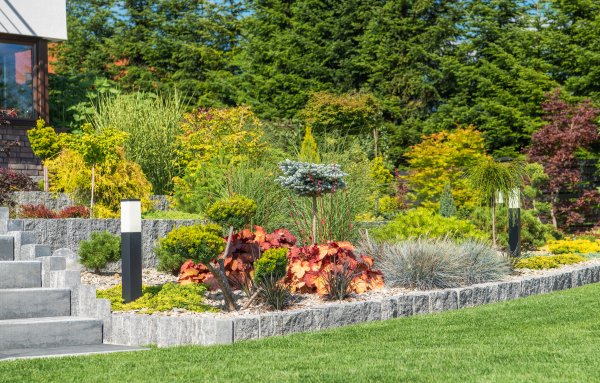
Smart landscaping decisions protect both appearance and property values. The right plant selections, timely hardscape repairs, and focused budget priorities create communities that look well cared for and hold their value over time.
At Management Plus, we provide vendor coordination, budget planning, and ongoing oversight that help your board get lasting results from its landscaping investments.
Our team works alongside boards to evaluate current conditions, identify high-impact improvements, and keep landscaping strategies aligned with long-term community goals.
If your board is ready to evaluate its landscaping strategy, contact us through the online form at https://www.managementplusrealtyservice.com/contact-us/